

What Happens During a Professional Transmission Rebuild in Bowling Green, KY?
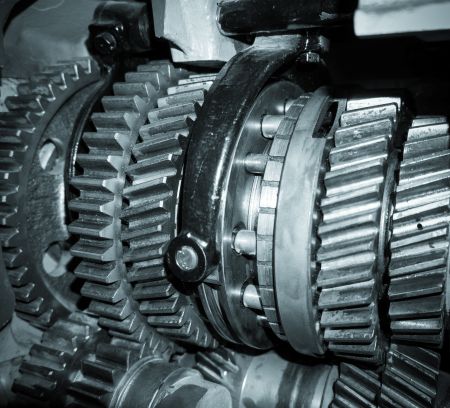
If your vehicle hesitates off the line on Scottsville Road, shudders merging onto I‑65, or slips while cruising past WKU, it may be time to consider a professional transmission rebuild. This guide walks you through how Wholesale Transmission Center handles a full rebuild from first inspection to final road test, why a rebuild can be a smart choice, and what timeline most drivers in Bowling Green, KY can expect. If you are already comparing options, you can see our professional transmission rebuild overview any time.
Why Choose a Rebuild Instead of a Replacement in Bowling Green
Every transmission failure is different. In many cases, internal wear or a handful of failed components is the real problem. A rebuild targets those parts, restores clearances, and refreshes all wear items so the unit can perform like it should. That means you keep your original case and hard parts when they’re still sound, and you avoid paying for a complete replacement that you may not need.
Local driving makes the case for rebuilding, too. Summer heat and stop‑and‑go traffic along Campbell Lane raise fluid temperatures, and repeated short trips near downtown Bowling Green can accelerate wear. A careful rebuild brings your transmission back to reliable service tailored to the way you actually drive here.
The Step‑By‑Step Transmission Rebuild Process
1) Intake, Diagnostics, and Plan
We start with a full vehicle check and scan, then confirm symptoms on a road test. Fluid condition, codes, cooler flow, and external leaks help us decide if the right path is repair, replacement, or a complete rebuild. Clear findings lead to a clear plan.
2) Removal and Teardown
The transmission is removed from the vehicle and moved to a clean bench. Our team drains remaining fluid, removes the pan, filter, and valve body as needed, then disassembles drums, gear sets, and the pump assembly. Each part is kept organized so nothing is missed.
3) Cleaning and Inspection
Housings and hard parts are cleaned in a parts washer and inspected under bright light. We measure bushings and journals, check thrust washers, and inspect clutch steels for hot spots. The goal is to separate what can be reused from what must be replaced to ensure long‑term reliability.
4) Parts Replacement and Updates
All wear items are replaced and known technical updates are installed where appropriate for your transmission family. Valve body passages may be addressed to improve shift quality, and the torque converter is serviced or exchanged to match the rebuild. Small details add up to smooth shifts and longer life.
5) Reassembly and Setup
Clutch packs are stacked with new friction materials and steels, then set to specification. Clearances are verified with feeler gauges and dial indicators. Band adjustments, servo checks, and end‑play settings are completed before the case is sealed with new gaskets and seals.
6) Bench Testing, Install, and Adapt
After the build, the unit is pressure‑tested off the vehicle when applicable, then reinstalled with fresh fluid and a new filter. Cooler lines are flushed to prevent old debris from re‑entering the system. Finally, we perform relearns or adaptations so the transmission and engine management work together as designed.
7) Road Test and Final Quality Checks
We complete a controlled road test on city streets and highway speeds, verifying cold and warm shift quality, converter lockup, and downshifts on hills like Nashville Road. Only then do we call the rebuild complete.
Local insight: Hot, humid Kentucky summers push transmission fluid temperatures higher, especially in stop‑and‑go traffic. If you feel shudder on a warm day or after towing, schedule a check before the next heat wave to protect your transmission.
What Typically Gets Replaced During a Rebuild
A professional rebuild is not a patch. It refreshes the critical wear items your transmission depends on for pressure and friction control. Common replacements include:
- Friction clutches and steels in each clutch pack
- Bands, bushings, bearings, and thrust washers
- Seals, O‑rings, gaskets, and sealing rings
- Filter and often the torque converter
- Solenoids or valve body components when testing shows issues
Updating these parts together restores hydraulic integrity and shift timing. It is the difference between a quick fix and a rebuild you can trust.
Rebuilt Transmission Timeline: What To Expect
Timeline depends on parts availability, transmission type, and how much damage we find once it is open. Most rebuilds move from intake to final road test within several business days. Larger 4x4 units or vehicles with extensive internal damage can take longer. Our team keeps you in the loop at each step so you know where things stand.
Pro tip: Approving work early in the week often helps avoid weekend delays if we need a specialty part shipped in.
How a Rebuild Restores Performance
Worn friction materials cause slipping under load. Tired seals leak pressure, which leads to slow or harsh shifts. A rebuild solves both at the same time. By restoring hydraulic pressure and replacing worn components, you get crisp shifts, consistent acceleration, and reduced heat buildup that protects the unit over the long haul.
For more background on related services, explore our transmissions services to see how repair, rebuild, and replacement compare for different situations.
Real‑World Signs You May Need a Rebuild
- Slipping or engine revs rising without matching speed
- Harsh 1‑2 or 2‑3 shifts once the car warms up
- Shudder or vibration at steady cruise on Campbell Lane
- Delayed engagement when shifting from Park to Drive
- Repeat fluid contamination after a recent repair
When these symptoms show up together or return after a minor fix, a full evaluation can prevent further damage. You can also skim practical advice on our transmission tips page.
Quality Controls That Matter
Details make the difference in a rebuilt transmission. We verify clutch clearances, servo travel, and end‑play. We confirm cooler flow and fill procedures so you get the right amount of the correct fluid. Finally, we road‑test in varied conditions around Bowling Green to confirm smooth, consistent operation. Never keep driving with a slipping transmission; low pressure and heat can quickly turn repairable wear into major damage.
Your Rebuild, Your Route Back To Confidence
Choosing a shop is about trust. At Wholesale Transmission Center, you get a clear diagnosis, photos or notes of what we find, and a rebuild plan built around your vehicle and how you drive in Bowling Green, KY. From teardown photos to final test results, our team keeps the process transparent so you can approve every step with confidence.
If you are researching options, start with our summary of the transmission rebuild shop process so you know exactly what will happen to your vehicle from start to finish.
When Is Replacement the Better Path?
Sometimes internal damage is too severe to justify a rebuild, or parts availability makes replacement more practical. When that happens, we explain why and outline next steps. The right choice is the one that returns safe, reliable performance with the least downtime for your schedule.
For homeowners who are still weighing choices, you can always return to the home base for transmission rebuild Bowling Green, KY resources and a big‑picture look at services.
Ready To Get Your Vehicle Back On The Road?
Don’t wait for a roadside breakdown. If your vehicle slips, shudders, or delays into gear, get a professional evaluation now. Call 270-842-9052 to talk with a specialist at Wholesale Transmission Center, or schedule through our page on how we handle a transmission rebuild. We will confirm the plan, set expectations for the timeline, and road‑test your vehicle across city and highway speeds before handing back the keys.
Bottom line: A careful, well‑documented rebuild restores pressure, protects hard parts, and brings back smooth shifts tailored to Bowling Green driving.
Transmission Troubles? Contact Our Auto Shop In Bowling Green Today!