

Manual vs. Automatic Transmission Repair: What Homeowners Should Expect in Bowling Green, KY
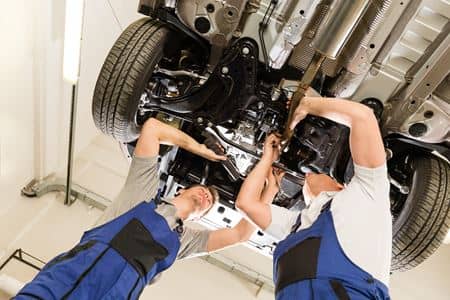
If your vehicle won’t shift right, every errand around Bowling Green can feel like a detour. This guide explains the real-world differences between manual and automatic transmission repair, how timelines usually play out, and what you can expect when you bring your car to Wholesale Transmission Center. If you’re already noticing slipping, hard shifts, or leaks, start with professional transmission repairs so a licensed technician can pinpoint the issue before it grows.
How Each Transmission Works and Why That Matters
Manual and automatic transmissions both move power from the engine to the wheels, but they do the job in very different ways. In a manual, you engage the clutch with your left foot and select gears with the shifter. The clutch disc, pressure plate, and flywheel manage the handoff of power. In an automatic, the torque converter and a complex hydraulic and electronic system handle gear changes for you.
That design difference is why repair paths can look different too. Manual work often centers on clutch wear or internal gear issues. Automatics can involve electrical controls, solenoids, a valve body, and sometimes a full teardown. If you want a simple refresher before you book, take a look at our primer, Transmissions 101: What They Are and How They Work, then come back here to compare repair expectations.
Local Symptoms Drivers Notice Around Bowling Green
Transmission problems tend to show up during everyday Bowling Green driving. Stop‑and‑go near Western Kentucky University, merges onto I‑65, or long crawls on Scottsville Road can make slipping or harsh shifts stand out. Summer heat can also push old fluid to its limits while colder snaps make a weak clutch or sticky solenoid more obvious.
Watch for these red flags as you commute to Greenwood, run errands downtown, or make a weekend run up to Cave Mill:
- Delayed engagement when shifting from park to drive or into first gear
- Grinding or gear clash in a manual, or a flare in rpm between shifts in an automatic
- Vibrations under light throttle or a steady-speed shudder
- Spots of red or brown fluid under the vehicle after parking
Do not keep driving if the transmission is slipping or banging into gear. Continued driving can multiply the damage and add days to your repair timeline.
Manual Transmission Repair: What To Expect
Typical Repairs and Parts
Manual units are mechanical and relatively direct, so repairs focus on wear items and bearings. Common services include clutch kit replacement, resurfacing the flywheel, or addressing internal synchronizer wear that causes gear grind. Hydraulics matter too. A failing clutch master or slave cylinder can mimic bigger problems if it cannot build pressure.
Average Timeline From Drop‑Off to Pickup
Because access to a manual’s clutch and related parts is straightforward once the transmission is out, the timeline is often shorter than with automatics. The actual time depends on your vehicle’s design, the severity of wear, and parts availability in Bowling Green. If parts are in stock and no internal gear damage is found, the process is commonly quicker. Add time if the flywheel needs machining or special-order parts are required.
Always approve a full diagnostic first. A precise test can reveal a simple hydraulic issue that saves you from unnecessary teardown.
Automatic Transmission Repair: What To Expect
Typical Repairs and Parts
Automatics have more moving pieces. Repairs often target transmission control solenoids, valve body passages, sensors, or leaking seals. A contaminated or burnt fluid finding can indicate internal wear that calls for more involved service. When clutches and bands are worn or there is hard part damage, your technician may recommend a transmission rebuild to restore long-term reliability.
Average Timeline From Drop‑Off to Pickup
Timelines for automatics vary more because diagnostics and tear‑down take longer and some units require specialty parts. If the fix is external, such as a sensor or valve body service, the visit can be shorter. If a rebuild is needed, expect additional days for disassembly, inspection, cleaning, and calibrated reassembly. Availability of the correct fluid and updated components also plays a role.
Diagnosis First: Why Accurate Testing Saves Time
Every efficient repair starts with data. A road test, fluid check, and scan for codes narrow the cause and prevent parts swapping. A pressure test on an automatic can reveal internal slip. A clutch engagement test on a manual can point to hydraulic trouble. Accurate diagnosis cuts guesswork and keeps your vehicle from sitting longer than it should.
What Influences Timelines in Bowling Green
Shops plan jobs around lift time, test drives, and parts arrivals. Here are the local factors that usually move the schedule one way or the other:
- Parts availability in Bowling Green and nearby hubs. In‑stock items shorten downtime.
- Seasonal demand. Early summer road trips and back‑to‑school rush near WKU often fill calendars.
- Hidden damage. Once the unit is opened, extra wear can add steps to the job.
- Test drive windows. Verifying a fix on city streets and the I‑65 corridor takes planning and dry roads.
Keep your service records handy. Previous notes on fluid type, past repairs, and symptoms help the technician confirm a direction fast.
Manual vs. Automatic: Timelines at a Glance
Every vehicle is different, but here is how timing commonly compares once diagnostics are complete and parts are in hand:
Manual: Often faster because the repair usually focuses on a clutch kit and related hardware. If internal gear work is required, timeline grows with inspection and parts lead time.
Automatic: Often longer due to additional electronics, hydraulic circuits, and the chance of a full teardown. Rebuilds add time for cleaning, measurement, and reassembly to factory specs.
How Wholesale Transmission Center Keeps You Moving in Bowling Green
Clear communication matters when your vehicle is on the lift. We outline findings in plain language, get your approval, and share updates you can count on. We also match fluids to your specific unit and confirm shift quality on a real road test around town so you are not back a week later with the same concern.
If you are still comparing options for manual vs. automatic transmission repair in Bowling Green, KY, bookmark our site and call when you are ready. You will talk with a local team that handles both transmission types all day, not a call center.
When Repair Becomes Replace or Rebuild
Sometimes a repair is not the smart path. Multiple hard failures, excessive metal in the pan, or repeat overheating can make a repair short‑lived. In those cases your technician may suggest a rebuild or replacement to restore reliability. If that comes up, we will explain why, show you what we found, and discuss how the plan changes your timeline.
Curious about next steps if repair is off the table? Browse our service pages to understand the process and what gets inspected during a full build so you know what to expect if the job grows.
Practical Expectations Before You Drop Off
Set yourself up for a smooth visit by planning transportation and making space in your schedule for a test drive with your advisor. Bring notes on when the problem shows up, such as cold mornings on Nashville Road or after a long run on Scottsville Road. Those details help your technician reproduce the issue quickly and verify the fix at the end.
Two simple reminders help most Bowling Green drivers:
Avoid towing heavy loads until the technician clears it. Extra stress during break‑in can undo good work. And watch your driveway for new fluid spots during the first week after pickup. If you see anything, call right away so we can take another look.
Ready When You Are
Whether you drive a stick or an automatic, Wholesale Transmission Center is here to help you get back to safe, smooth shifting. Call us at 270-842-9052 or schedule professional transmission repairs now in the Bowling Green area. If your vehicle needs a deeper fix, we will explain the plan and keep you updated every step of the way.
Transmission Troubles? Contact Our Auto Shop In Bowling Green Today!