

CVT vs. Traditional Transmission: What Owners Need to Know Before Replacing
If you’re weighing a CVT transmission against a traditional automatic in Bowling Green, KY, you want clear facts before you approve a replacement. This guide explains how each works, the pros and cons of local driving, and when a repair team recommends CVT transmission installs to restore dependable performance.
At Wholesale Transmission Center, we see how weather swings, busy corridors like Scottsville Road, and game day traffic near Western Kentucky University can stress a worn transmission. The right choice comes down to your vehicle, how you drive, and what will deliver the most reliable miles around town and on I‑65.
How CVT Transmissions Work
A continuously variable transmission uses a belt or chain and variable pulleys to create seamless ratios. Instead of fixed gears, a CVT keeps the engine in its sweet spot for smooth, efficient acceleration.
Modern CVTs often feel calmer at steady speeds, and many are tuned to reduce shift shock. They rely on precise fluid pressure and temperature control, so the correct fluid type and careful service matter.
How Traditional Automatic Transmissions Work
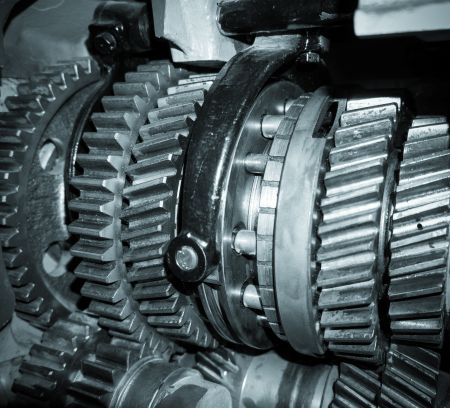
Traditional automatics use fixed gears, clutches, and a torque converter. Shifts happen at specific points as you accelerate, which some drivers prefer for a more familiar feel.
These units can handle higher loads when designed for it, especially in trucks and SUVs built to tow. They still need regular service to protect internal clutches, valves, and seals.
CVT Pros and Cons for Bowling Green Drivers
- Pros: Smoother acceleration, steady engine speed, and potential fuel economy gains in stop‑and‑go traffic.
- Cons: Sensitive to heat, fluid contamination, and poor driving habits like frequent hard launches or long, steep climbs with heavy loads.
Traditional automatics offer crisp shifts and, in many models, a stronger feel under load. The tradeoff can be slightly lower efficiency in city driving and more noticeable shifting on hills like those outside town, toward Alvaton and Plano.
Reliability and Lifespan: What Really Affects Each
Heat is the enemy for both systems. Bowling Green summers can push transmission temperatures up during long light and construction zones. Consistent cooling, correct fluid, and a clean filter path protect the unit.
Choose a shop that uses OEM‑approved CVT fluid and follows the exact fill procedure. Incorrect fluid or levels can cause belt slip, whining, or sudden limp mode. Traditional automatics also need the right fluid spec to keep clutches gripping cleanly.
Performance Feel: What You’ll Notice on Local Roads
CVTs shine on smooth city streets and rolling commutes. You’ll notice a steady rise in speed without gear “steps.” Traditional automatics deliver distinct shifts that some drivers enjoy, especially on country roads where throttle changes are common.
If your CVT hesitates pulling away from a stop on Nashville Road or surges on grades, it may be time for testing. A quick road evaluation helps the technician map symptoms to scan data.
Common Symptoms That Point to Replacement
- Warning lights or messages tied to transmission temperature or range.
- Shuddering, slipping, or a delayed takeoff after coming to a full stop.
- Harsh engagement when shifting into drive or reverse.
- Grinding or whining that follows engine speed under light throttle.
Never ignore a sudden loss of acceleration or a flashing transmission warning light. Pull over safely and call for help to prevent more serious internal damage.
Local insight: Hot, humid summers and hills around Bowling Green can push CVT fluid beyond safe temps during long, slow climbs. Ask about fluid condition checks after severe heat or when you notice performance changes to reduce the odds of a roadside breakdown.
Replacement Paths: New, Remanufactured, or Rebuilt
Every case starts with testing. Some failures are sensor‑related; others show internal wear. When replacement is the smart call, options include new or remanufactured assemblies designed for your exact model. Rebuilds are possible for many traditional automatics, while CVTs are often replaced as an assembly due to specialized parts and procedures.
Warranty coverage and parts availability vary by make and model. Your technician will match the choice to your vehicle’s age, mileage, and how you use it day to day in Bowling Green.
Which Transmission Is Right for You?
For compact cars and crossovers that spend most of their time in city traffic, a CVT can deliver smooth, efficient performance when serviced on time. For frequent towing, heavier payloads, or rugged back‑road use, a traditional automatic often aligns better with the vehicle’s design.
If your current CVT has failed and you plan to keep the car, a quality replacement can restore the easy, quiet drive you’re used to. If you want the stepped feel and engine braking of fixed gears, a vehicle with a traditional automatic may fit your preferences better.
What to Expect During a Professional Replacement
The shop will scan data, road test, and confirm the fault. Then they’ll remove the transmission, inspect related components, and install the replacement with updated seals and required hardware. Programming and relearn procedures follow to make sure shift scheduling or ratio control matches factory specs.
Finally, a thorough test drive checks cold and hot operation across surface streets and highway speeds. You’ll receive documentation of parts, procedures, and care recommendations tailored to Bowling Green conditions.
Care After Replacement: Make It Last
Follow factory service intervals and keep an eye on operating conditions. Heat, heavy loads, and aggressive driving shorten transmission life. Smooth throttle inputs and timely service protect clutches, belts, and fluid quality.
If you ever notice new noises, leaks in your driveway, or a change in shift behavior, schedule a quick inspection. Catching small issues early prevents big ones later.
When CVT Replacement Is the Smart Move
Once internal wear or major hydraulic faults appear, replacing the unit often restores reliability faster and with fewer surprises than piecemeal fixes. A fresh assembly with the correct fluid and calibration gives you a known starting point for years of daily driving.
When your technician recommends it, you can learn about the process and parts they use by reviewing our page on CVT transmission replacements. It explains how the team protects cooling, sets correct levels, and confirms road manners after the install.
Local Support You Can Trust
It helps to work with a local auto repair shop that understands Bowling Green traffic patterns, heat, and hills. Your advisor will compare CVT vs. traditional options for your vehicle, explain what failed and why, and outline a plan that fits how you drive.
Questions about your vehicle’s symptoms or next steps? Call Wholesale Transmission Center at 270-842-9052 and we’ll help you choose a path with confidence.
Thinking about a replacement and want straight answers you can trust? Talk with Wholesale Transmission Center today at 270-842-9052 and get a clear plan that fits how you drive in Bowling Green.
Transmission Troubles? Contact Our Auto Shop In Bowling Green Today!